For fisherfolk, exploiting alternative livelihood opportunities, implementing more sustainable practices, or having better safety measures often require investment. Without access to funds, fishers and fish workers are often locked into less profitable, less sustainable, and unnecessarily dangerous ways of fishing. While fishers could be making more money by using their skills and knowledge in tourism or other industries, many cannot afford the investment to access these markets. Therefore, funding schemes are essential to help fisherfolk transition to better practices or embrace new livelihood opportunities. However, the fact that fishers and fish workers may be eligible to apply for funding does not mean that they will be able to do so.
How FisherFolkFirst helps
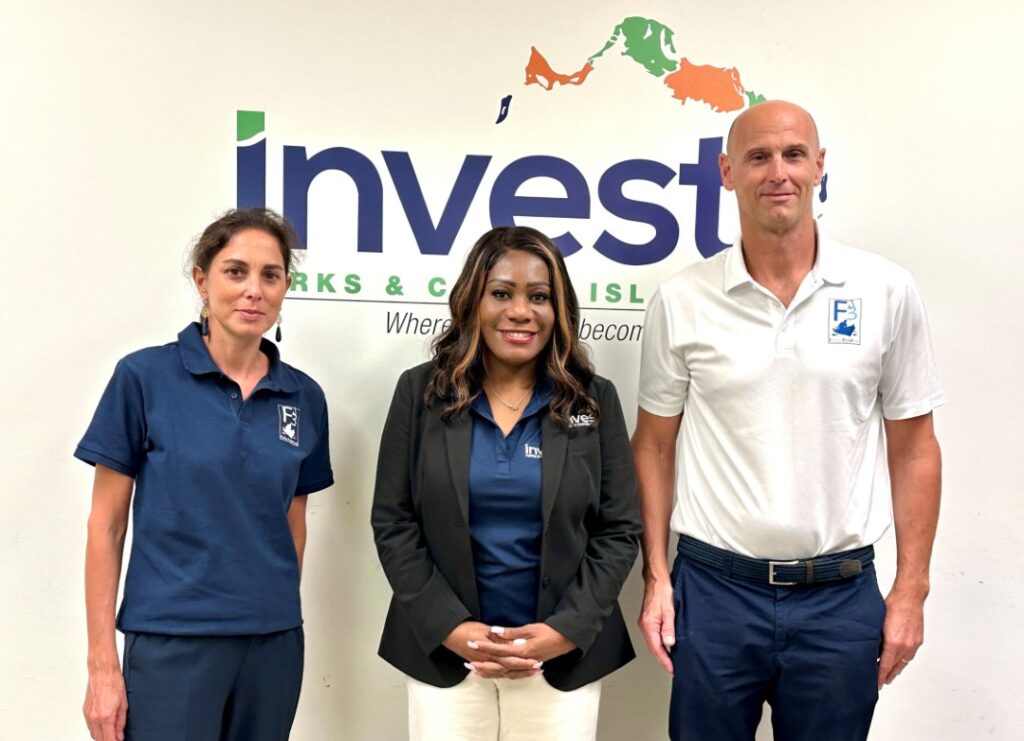
In the Turks and Caicos Islands, FisherFolkFirst worked with the small-scale fishing community and the government – Invest Turks and Caicos and the Department of Fisheries and Marine Resources Management – to identify, remove, and mitigate against the barriers preventing fishers from accessing the country’s Micro, Medium, and Small Enterprise grant scheme, under which fishers are eligible to $50,000 in grants as well as other support. [more on ‘barriers’ below]
What FisherFolkFirst achieved
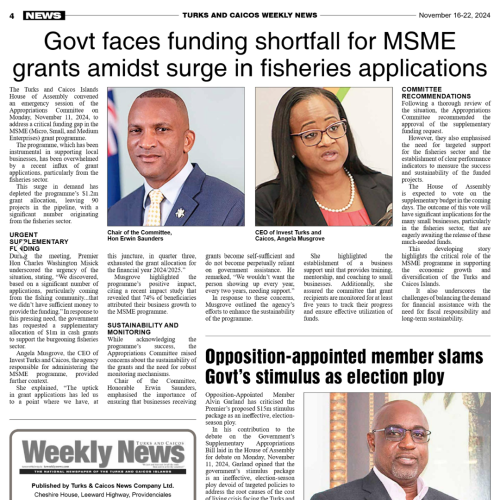
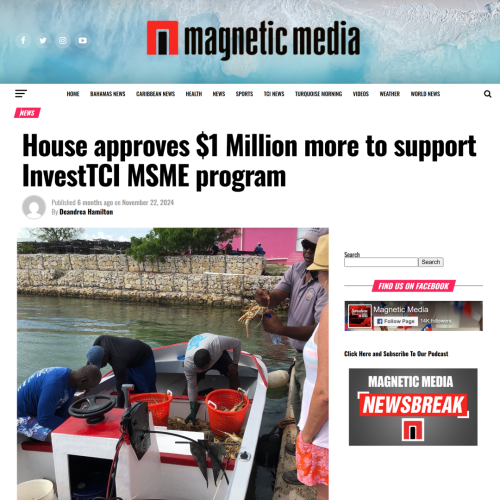
FisherFolkFirst was so successful in helping the fishing community access the grant programme that the amazing team at Invest Turks and Caicos secured an additional $1 million to meet the demand.
In addition, as a direct result of FisherFolkFirst’s work, the Turks and Caicos Islands government is considering creating a grant programme specifically for small-scale fishers that mimics the successful Agro-Grant Incentive Programme that serves farmers in the country. Other micro-financing options for fisherfolk are also being considered.
Ensuring sustainability in fisheries
FisherFolkFirst worked hard to ensure that grants awarded to small-scale fishers do not become harmful fisheries subsidies. Grants therefore do not promote unsustainable or destructive fishing practices and do not encourage overfishing or excessive fishing capacity in any fishery. Because industrial-scale fishing operations are not eligible, the scheme promotes traditional small-scale fisheries that are inherently more sustainable and socially equitable.
Barriers facing small-scale fisherfolk
Literacy & education – Literacy can be a limitation for fisherfolk in certain countries. Some have not had the opportunity to finish high-school. As a consequence, many are deterred from any process that involves paperwork or training.
Access to digital resources – Although smart phones have improved internet access for coastal areas, many fishers and fish workers lack the digital literacy to complete online applications. Many don’t use email.
Access to banking – While some fishers do not have bank accounts at all, even fewer have a bank accounts in the name of a registered business. This can be a challenge to accessing funds.
Remote location – Being on a small island, living in a remote coastal area, or spending days at sea can limit fishers’ access to banks and government support.
Non-formal business structure – In the Turks and Caicos Islands, although small-scale fishers are regulated through fisheries legislation, they have never been required to operate within the regulatory framework that governs other commercial ventures in the country. Existing in this grey area means that most fishers have never had a business licence, have no record keeping, do not have employment contracts, and lack most of the bureaucratic pre-requisites to gain financial support.
Overcoming barriers
FisherFolkFirst made a series of recommendations on how the grant programme could be tailored better to accommodate fisherfolk applicants. A whole suite of other FisherFolkFirst recommendations addressed both fisheries and business legislation to make it easier for fisherfolk to fulfill the prerequisites to seek financial support.
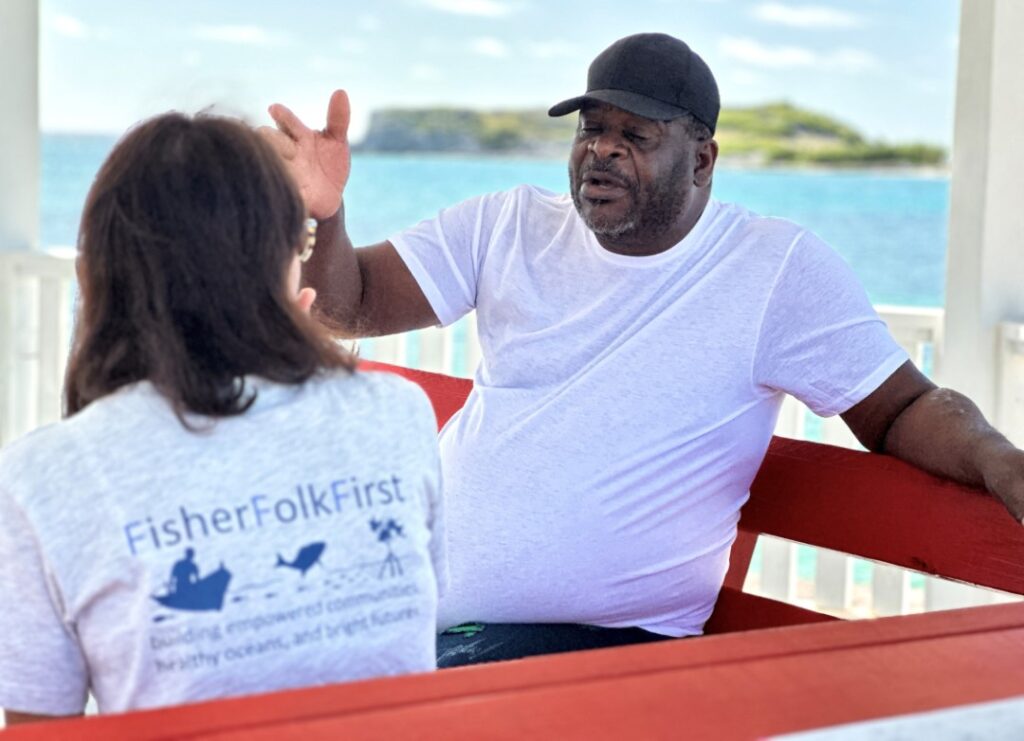
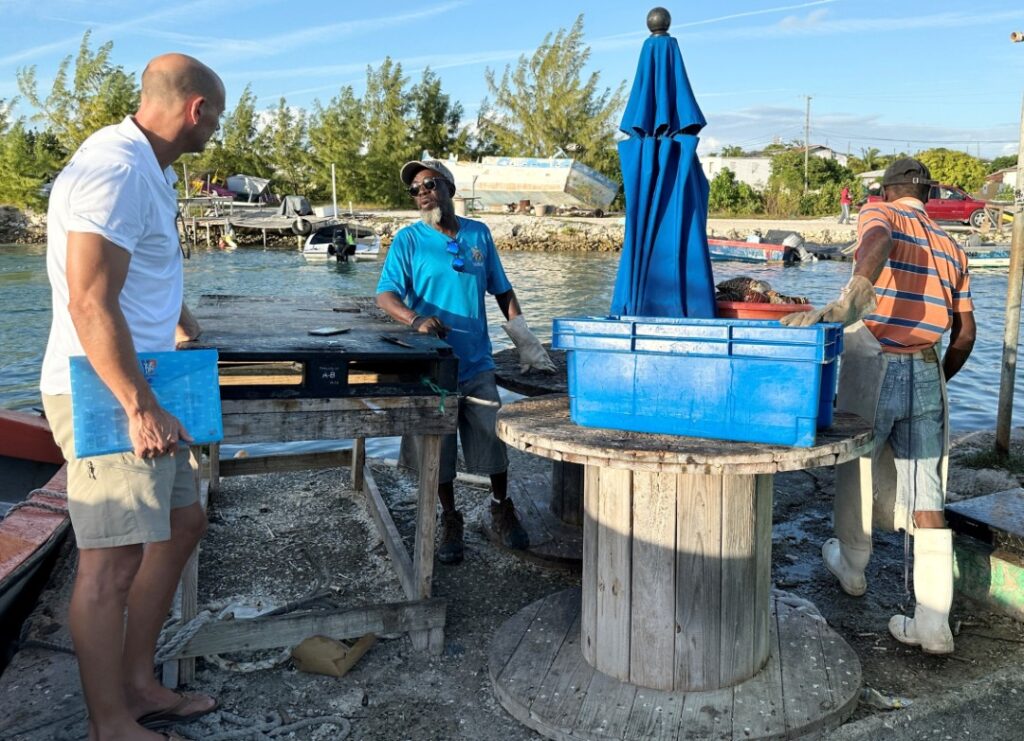
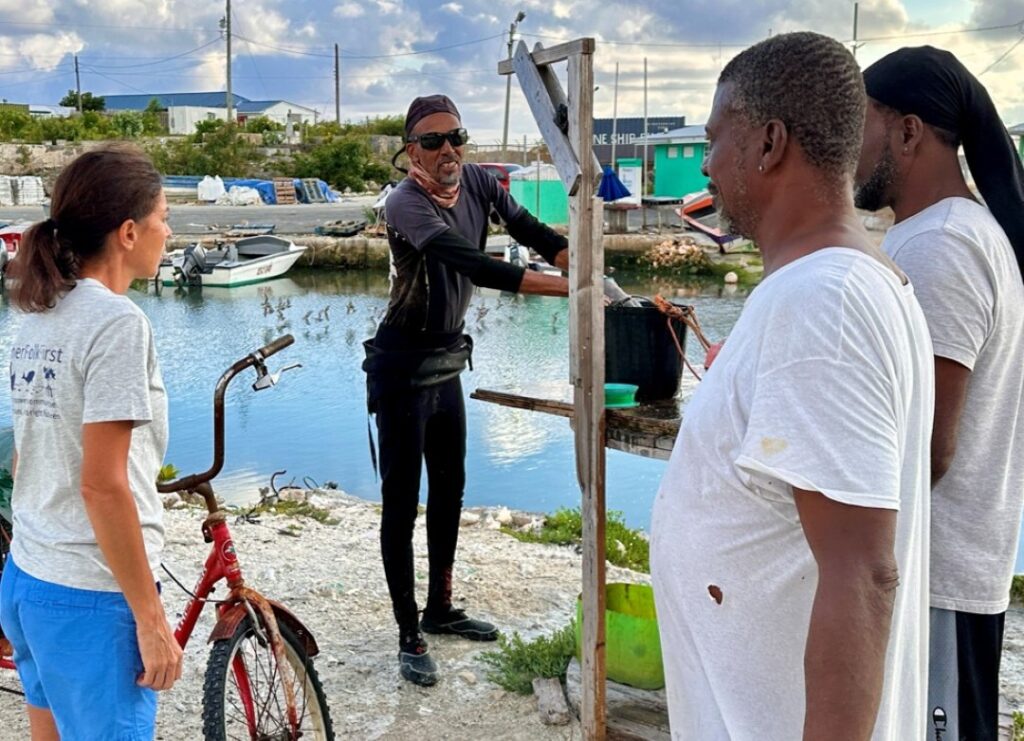
We also spent a huge amount of time speaking individually with fishers and fish workers throughout the islands encouraging them to apply for grants, talking through the process, and helping them with ideas for sustainable enterprises in small-scale fisheries.